Showing posts with label writers. Show all posts

Monday, June 11, 2018

Your Brand - What is it and How do you Protect it? - Monday Musings

Your Brand - What it is and How do you Protect it? - Monday Musings - June 11, 2018


For pretty much everyone not living beneath a rock, the viral hashtag #cockygate has crossed your ears, computer screens, or phones in recent weeks. In the extreme off-chance that you don't know what I'm talking about, I'll try to sum it up quickly. You can also see my previous blog post, How to Alienate Your Readers and Tank Your Career - Monday Musings for a more in-depth explanation.


A romance author named Faleena Hopkins, who began publishing a series called The Cocker Brothers of Atlanta on June 16, 2016. The first book was Cocky Roomie, and all the subsequent books (there's 18 so far) have Cocky something as the title. Not too many people had heard of this relatively new author, until in early May 2018 when another author with a Cocky-something titled book, received a cease and desist letter from Faleena, stating that the WORD cocky was now copyrighted. Not the entire title, not the name of her series, but the single word, cocky. The trademark office should never have granted such a broad application for such a commonly used word but that's not the point. The point is, she copyrighted a single word on the excuse that she needed to protect her brand. The whole thing has since blown up in her face, she's shut down most of her social media sites to avoid confrontations with legions of authors and readers, and has actually sued and tried to set restraining orders on people. Specifically ones that she has a personal grudge against, and the author/retired IP lawyer that is petitioning for the trademark cancellation. The court date for that was today, and the judge shut Ms. Faleena down. The trial for the cancellation of the trademark is at a future date.


So now that you're up to date on what caused such a god-awful stink in the writing world, we'll move on to the Pandora's box it opened. Since Faleena's trademark, MULTIPLE authors have followed her misguided steps, and filed their own trademarks for single-use words. #RebellionGate, #ForeverGate, #DareGate, #ShifterWorldGate and many others have come to light, angering the writing community further and proving why the box that Faleena selfishly opened, should have been left alone, and preferably hidden in the 7th layer of hell. 
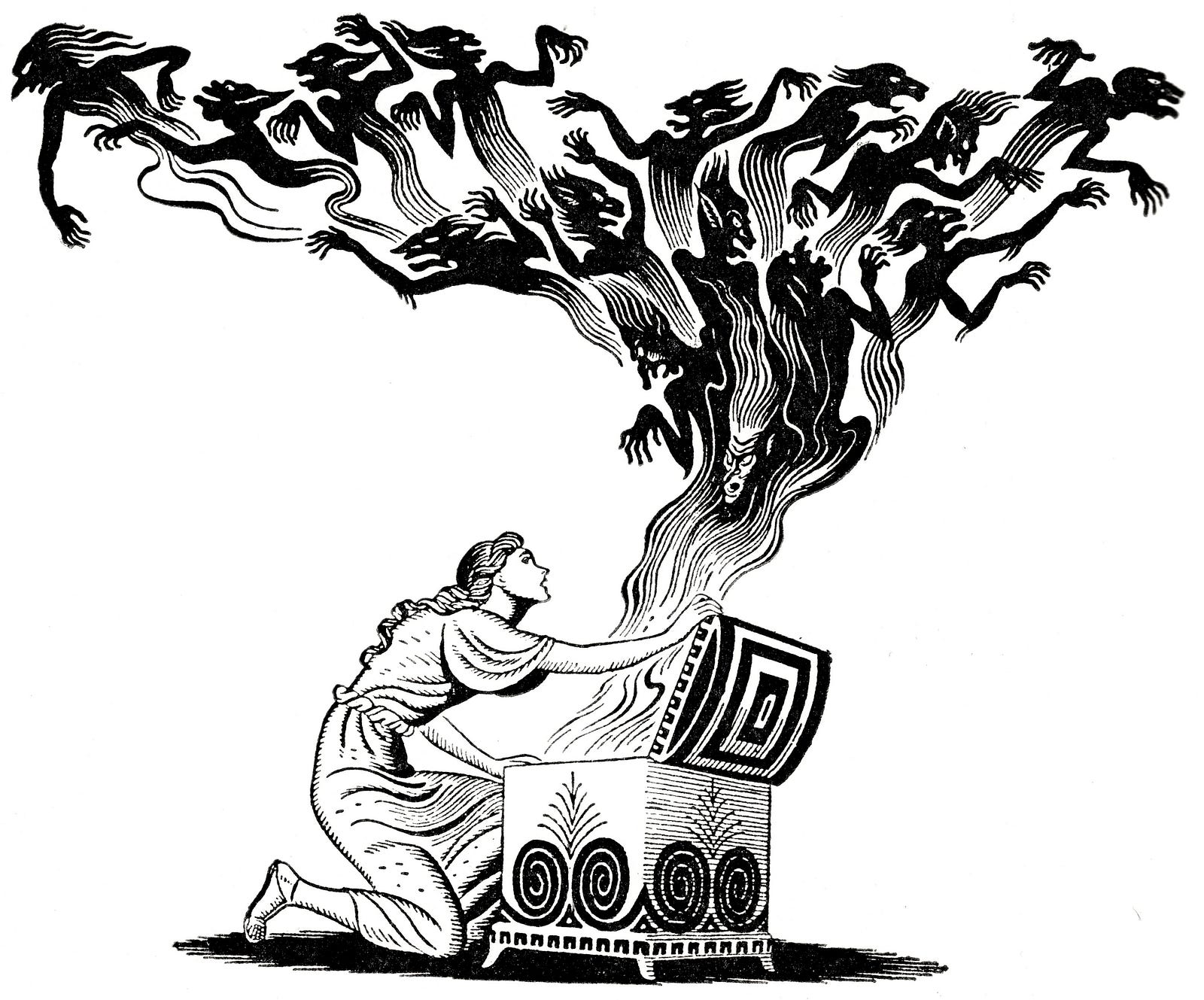

Image result for pandora's box


The going excuse for all these misguided authors keeps coming back to one recurring explanation: I'm trying to protect my brand. That's all it really boils down to. But all these authors are missing one glaringly important fact. Your brand isn't your title.


That's right. Your title has pretty much nothing to do with your brand. Your name and the content you create... THAT'S your brand. IT'S YOU. If the title or series name was so important, JK Rowling would have trademarked the title Harry Potter and it's very specific font. (She didn't btw, she trademarked the CHARACTER of Harry Potter), Stephanie Meyers would have trademarked the Twilight Saga and it's unique font, EL James would have trademarked the 50 Shades series. Yet NONE of those huge-name and very successful authors did that. Because the title didn't make the difference. People knew what to expect from each of those authors based on their names and the type of stories they had already delivered. 


EVERY author has to deal with crooks and scammers stealing their work and pirating it elsewhere. It's a universal problem. Basic copyright laws apply to everyone that's published to stop people from stealing their work, as long as they can prove they had it first. They can't sue for damages with a basic copyright, but they can stop someone from profiting further off their work. Authors can go a step further and pay to register a copyright. This allows someone to sue for damages if their work is stolen. Trademarking is the next step. Companies like Apple, Pepsi, GE, have all purchased trademarks for their logos and names, in specific fonts and for specific products. For example, Apple owns the trademark for the word in reference to electronic products. They aren't going to sue someone who writes a book called The Apple of Adam, or an Apple Juice manufacturer, etc. These companies have VERY specific TM's that are obviously protecting their very unique brands. 


If an author wants to trademark their series name (trademarking single titles is currently illegal), their series name needs to be unique and specific. In Faleena's case, she SHOULD have trademarked "The Cocker Brothers of Atlanta" (The original series name and still showing up on her covers as well as a 'Cocker Brothers' logo and all over her social media), or even "The Cocky Series" (Which, I'd like to add, she didn't start using until this spring AFTER she filed for the trademark.) But by trademarking just the single word 'cocky', she prevented a lot of authors from using it in their titles, forced some to change their already published titles containing the word (with a big expense also forced on them), and started a legal battle with previously published cocky-titled books.


So other than applying for a very expensive and possibly legal battle-inducing trademark, how can an author protect their brand?


Well let's start with what a brand, for an author, is. A brand is a consistent promise to a customer about what they're going to get. For an author, that means the content you deliver. To be clear, your brand is NOT your title. It's what's between the cover. The content. The STORY. 

Image result for brand


Harry Potter's title might be recognizable, but it wasn't the title that got people to invest in JK Rowling's brand. It was the story of a young boy, who'd already had a rough start to life, finding out he's actually a wizard and might just hold the fate of the world in his hands. Her brand follows the journey of that boy as he grows and becomes powerful and eventually saves the wizard and muggle world. 


As readers, we invested in Harry, Hermione, Ron, Dumbledore, Dobby, Hagrid, and more. We delved into life at Hogwarts, imagined receiving a letter from an owl, practiced spells with homemade wands. We spent hours reading those pages, going to the movies, buying merchandise, writing our own wizard stories. The title had nothing to do with that. The brand she created by writing a hell of a series kept us with her, years after the first book was published. 


Even if Harry had been a Michael or Peter, the story wouldn't have changed. The first book could have been called Samuel Piper and the Philosopher's Stone and the story wouldn't have changed. The brand wouldn't have changed. Because it wasn't the title that made the brand, or even the names of the characters. It was the story that made the Harry Potter brand what it was and continues to be today.


Related image

So how do you protect your brand?


You write unique, original, and amazing stories. That's it. Yes, scammers will try to steal your work and sell it on iTunes. Thieves will try to copy your story and sell it as their own. It happens... to EVERYONE. But the stories you write, throughout your career, will create your brand and keep it safe. Readers will come to know your series characters, your style of writing, your voice. They will keep coming back, again and again, even when you write different stories, or start a new series. Because they know that YOU will give them an amazing story that they will fall in love with. They know YOU will write characters so real, it's like they were sitting next to them, characters they will get to know and keep thinking about long after they read 'the end'. Readers will know YOU and the quality of books you'll put out. A single title or a series will draw them in, and the content you deliver will keep them as fans as long as you have books. 


So the moral of this blog post is, don't be a grade A asshole and start trademarking words that are commonly used. Trademark an entire series title if you feel you must but it won't make a difference to your readers. As long as you're writing amazing stories, they won't care what your titles are or who else might be writing something similar, they'll care about YOU and what you're writing. A trademark won't protect that. YOU protect that, by being an amazing writer.

Sunday, May 1, 2016

Giving and Receiving Constructive Criticism - April 28, 2016 - Thursdays with the Author


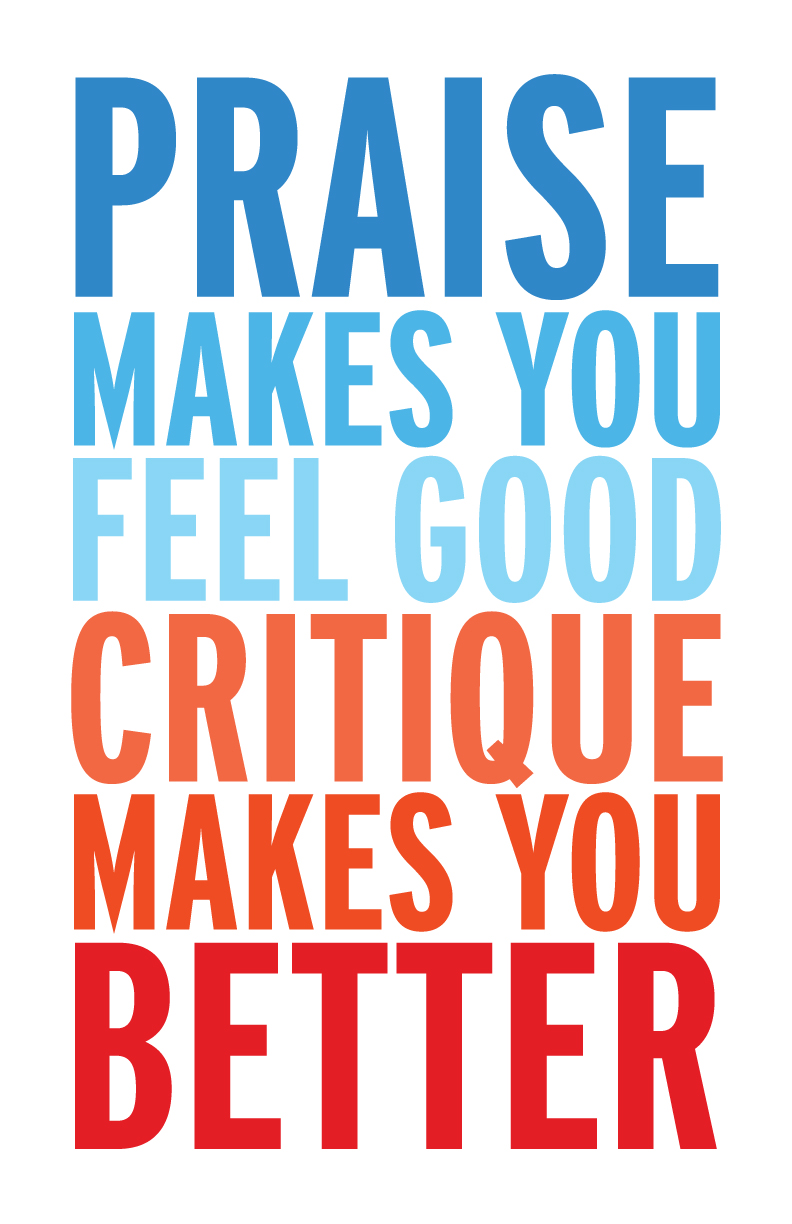
At some point in our lives, as a reader, or a writer, we've been gotten or given constructive criticism.

Here's the difference between plain ole' criticism and constructive criticism.

Criticism is all negative. What you're doing wrong, all your mistakes, how you should've known better. Criticism can kill a writer's spirit.

Constructive Criticism is negative AND positive. It points out your flaws and mistakes while complimenting your successes and telling you how to fix or improve on what you've done wrong. Constructive criticism is a learning experience and helps the author grow and mature as a writer.


*     *     *     *     *     *     *

For Readers:

If it's a first/early draft, there's going to be problems. It's guaranteed. It's impossible to have a polished piece without multiple revisions and corrections. Take that into consideration when reading an early draft. You're in for a garbage pile of problems. Unless the reader has specifically asked you for a detailed edit, you can gloss over the glaring problems like punctuation, spelling, and grammar, and focus more on what makes the story really great: flow, dialogue, story-line, characters, theme, etc. Those are the things that make an author great. Punctuation and grammar can be fixed in later revisions.

Now if you're reading what the author says is a final version, or if you're reading a published copy, there should be hardly any technical/grammatical mistakes. I've read/reviewed quite a few books in the last few years, mostly from self-published and indie authors, and unfortunately have seen a fair share of such mistakes in already published books. Maybe the author didn't receive any badly needed constructive criticism before publishing, but there's no excuse for finding so many mistakes in a published novel. 

In these cases, it's very easy just to criticize. But you still need to keep in constructive! I've reviewed a couple books with such problems. The story itself was fine, but it had way too many technical errors. In those cases, I chose to contact the author personally with the problems I'd found with suggestions on how to correct them. My public review focused on the meat of the story, like I mentioned above, the flow, theme, characters, etc.

When passing on your constructive criticism, it's good to start with the positive. Mention what you liked and/or loved about what you read BEFORE diving in to what needed work. An author is more likely to take your constructive criticism and apply it if you start off this way.

Always remember that you're critiquing the writing not the writer. Don't make your critique personal, keep it focused on what you've read.

If you're reading a book with the express purpose of detailed critiquing, make sure you take notes from the start. If you've been given a print copy or manuscript, use a red pen and mark as you go. Dog-ear the pages so you can find them easily later. If you've been given a Microsoft document, turn on the track changes app and mark as you go. If you've been given an eBook, get some note paper out and write down your observations and corrections chapter by chapter. For eBooks, using the page read won't work because each eReader has different size pages. Start with chapter, paragraph, then line, to help the author find the places you're marking.

Remember: The most important things isn't what you liked and didn't like. It's why you like and didn't like. If you don't have a reason for your like or dislike, you aren't helping the writer learn anything.


For Author:

As an author, you need to be able to handle such feedback. A reader wouldn't contact you, point out your mistakes, and help you find ways to fix them, if they weren't trying to help you. The reader might have been in the same circumstances themselves at one point. Constructive criticism is teaching you something, and you need to be open to learning.

Remember that the you, the author, is separate from your work. The criticism is for something you wrote, not for you as the writer. Even if there's a lot of critique, it does not mean you are a bad writer. If you're receiving constructive criticism at all, it means that you are a good enough writer that the reader wants to invest their time in helping you become even better. And that should feel good.

Constructive criticism and critiques are suggestions. You don't have to follow every one. Every reader has different tastes, maybe your novel was not in their comfort zone. If you get more than one critique for the same thing there's probably something you need to fix. But remember, you're the author, you have the power to change or not change anything about your story. 

On the same hand, don't let your hackles come up from pride and not listen to anything. Be open but realistic. Usually it's pretty easy to tell if someone is making a good suggestion or if it's because they just didn't jive with your story. If you're unsure if a certain suggestion NEEDS to be changed, try having a few other people read through the same section. If they're suggesting the same things, then you probably need to change it.

*     *     *     *     *     *     *

Constructive Criticism, especially for self-published authors, can be one of the only ways we can improve our writing. Traditionally published authors get plenty of it from their agent, editor, and publisher. Most of the time those authors have no choice about whether they want to fix it or not. As a self-published author, you have a lot more options on how you want to edit your work. Don't ignore good advice for the sake of your pride. Don't be afraid to ask readers or other authors to critique your work. Don't be upset when they find mistakes and make suggestions. It's all a part of becoming a great author.


Friday, March 27, 2015

Comparing To Other Writers... Why You Should Be Doing Just That - Thursdays with the Author

Comparing To Other Writers - 
Why You Should Be Doing Just That


I was recently reading submission guidelines for a publisher and came across something I hadn't seen very many publishers ask for. One of the requirements for the query letter was this:

" Please provide titles for up to three comparative books published in the past five years. These should be books that have a similar audience to your book and that you feel will compare with your book in the marketplace. Explain how your manuscript is different from these books. "


I must say, I was a bit thrown off by this at first. My book is supposed to be different and unique! Why would I want to compare it to other books?


Image result for comparing

But this publisher has the right idea. As a writer, you have to know what your competition is. You have to be BETTER than your competition. More original, more memorable. If you don't know what your competition is with the book you are writing then you are definitely NOT ready to publish. How are you going to know how your book stacks up to the hot new releases and best seller lists if you aren't even paying attention to other writers?

Part of how we grow and learn as writers is by reading. It's one of the MOST important things we can do to improve our craft. Especially when it comes to the genre you write for. Are you writing a romance but only read mystery? Are you writing children's but never read any books for kids? Are you writing a YA/NA and have only read adult romance? You're bound to get something wrong. You're sure to have the wrong tone and inflection. You're nearly guaranteed to get the language wrong.

Even the cover can make or break your book. Go to your local bookstore or grocery store and find the section of books for the genre you're writing for. Take a picture of all the different covers. Take a picture of the blurbs on the back cover. Take a picture of the whole shelf. (Or write notes if you're worried about looking crazy for taking pictures at your local grocer.) Does your book stand out? Does it fit in at all? Is the blurb memorable compared to all the others there? Because if it stands out like a sore thumb, a reader might wonder if your book was maybe put in the wrong section. But at the same time, if your book looks and sounds like every other one on that shelf, they why is the reader going to buy YOUR book?

If you are writing romance, you need to be reading the top-sellers in that genre. Of course, there's a million sub-genres in romance, so you'll need to zero in on that as well. Contemporary romance? Nora Roberts, Danielle Steel, Robyn Carr, Nicholas Sparks. Historical Romance? Johanna Lindsey, Mary Jo Putney, Mary Balogh. Romantic Suspense? J.D. Robb, Jayne Ann Krentz, Carla Neggers. Western? Diana Palmer, Dorthy Garlock.

Same with any other genre! Young Adult? Veronica Roth, Rick Riordan, Stephanie Meyer, Suzanne Collins. Science Fiction or Fantasy? Anne McCaffrey, George R.R. Martin, Anne Rice, J.R.R. Tolkien. Mystery/Suspense? John Grisham, Carol Higgins Clark, Catherine Coulter. Military? Tom Clancy, Tim O'Brien, Clive Cussler.

How about children's? Picture books? Dr. Seuss, James Dean, Mo Willems, Anna Dewdney. Early Chapter Books? Herman Parish, Mary Pope Osborne, Megan McDonald, Barbara Park. Chapter books to Middle Grade? Dav Pilkey, Jeff Kinney, Rick Riordan.

Look at the reviews for some of these author's books. Were the readers content/happy with what they read. Did they think it was missing something or had too much of something else? Reader opinion is highly valuable (though in some cases {like trolls} it should be taken with a grain of salt. But if a majority of reviewers are saying the same thing, then there's something wrong. Take what they are trying to say to the other authors and apply it to your own writing.

Read the books, surround yourself in the genre, look at the covers, read the reviews. Learning from other writers is the key to becoming a better writer yourself. And with some publishes, the key to getting your book out of the slush pile.